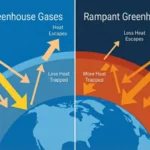
A carbon footprint is the total amount of greenhouse gases that are released into the atmosphere because of our activities. These gases include carbon dioxide, methane, and others that trap heat in the atmosphere. The larger the footprint, the more we contribute to global warming and climate change.
Understanding carbon footprint is simple when we look at where emissions come from. They come from the electricity we use, the fuel burned in cars and buses, the way our food is grown, the products we buy, and even the waste we throw away. Every action has a footprint, because everything we use has been produced, transported, or powered in some way.
So why does this matter? Because our carbon footprint affects the health of the planet. When there is too much greenhouse gas in the atmosphere, the Earth warms faster than it should. This warming leads to rising sea levels, extreme weather, loss of wildlife, and changes to food and water systems. These changes impact our health, safety, and everyday life.
The good news is that carbon footprint is something we can influence. Small choices make a real difference. Using energy wisely, choosing public transport, reducing waste, eating more plant based meals, and buying durable products all help lower our personal footprint. When many people make small changes, the impact becomes large.
Businesses and governments also track their carbon footprints. This helps them understand where emissions come from and how to reduce them through better energy choices, cleaner technologies, sustainable materials, and improved systems. Measuring footprint is often the first step toward meaningful climate action.
In simple terms, a carbon footprint is a way to measure our impact on the planet. It matters because understanding it helps us make smarter choices and support a future that is healthier, safer, and more sustainable for everyone.