Sustainability is one of the most widely used words today, but its meaning is often misunderstood. At its core, sustainability is about meeting our needs without harming the ability of future generations to meet theirs. It is a way of thinking and living that respects the balance between people, the planet, and the economy.
Sustainability asks a simple question: can we continue doing what we are doing without causing long term damage? This question applies to how we grow food, how we use energy, how we build cities, how we manage money, and even how we make daily lifestyle choices. When our actions protect resources, support healthy communities, and reduce harm to the environment, they are considered sustainable.
The idea of sustainability rests on three main pillars. The first is environmental sustainability, which focuses on protecting nature, reducing pollution, and using resources wisely. The second is social sustainability, which supports fairness, health, safety, and a good quality of life for all people. The third is economic sustainability, which ensures that growth and development can continue without creating long term problems. When these three pillars work together, we create systems that are strong, resilient, and balanced.
Sustainability matters today because the world is changing quickly. Climate pressures, rising costs, resource shortages, and global inequality are increasing the need for smarter choices. Sustainability gives us a pathway to solve these challenges while improving our daily lives.
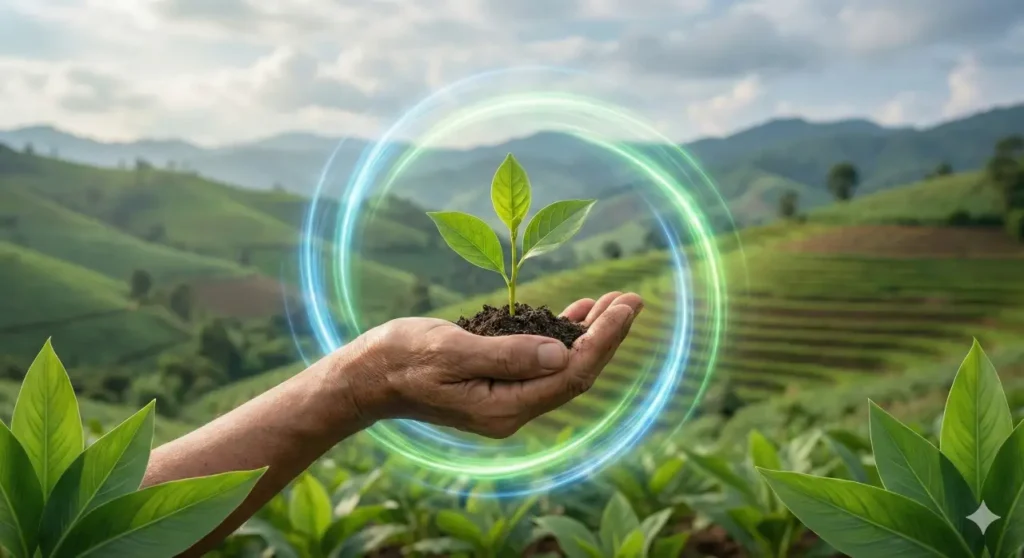
In simple terms, sustainability means living in a way that keeps the planet healthy, supports people, and builds a future that works for everyone. It is not about perfection. It is about awareness, responsibility, and taking small steps that add up to big change over time.