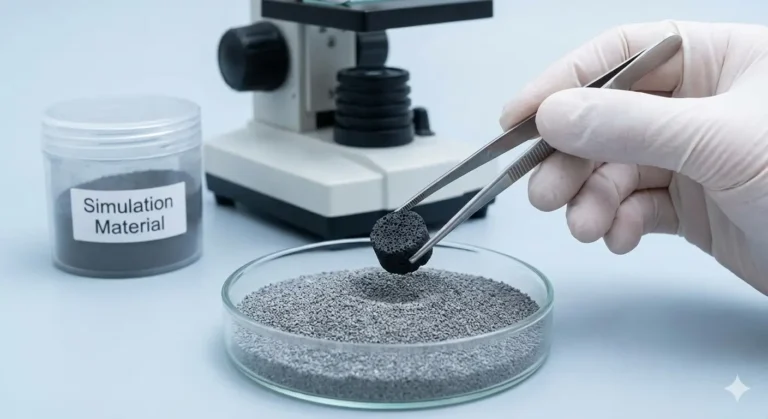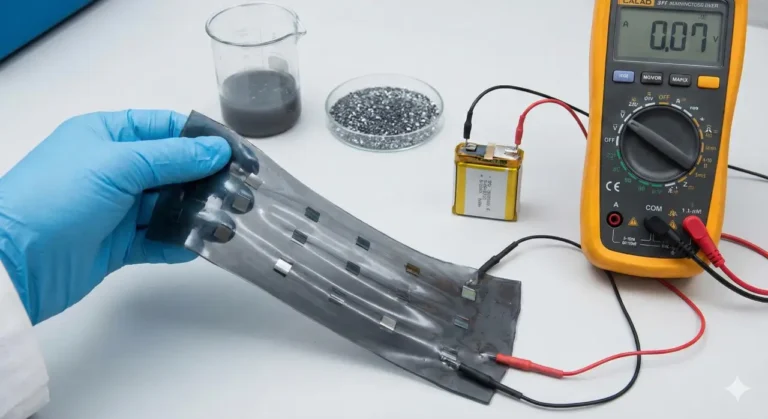
Image for Illustrative Purpose Only.
Summary :
• Scientists have created a new air filter that can capture carbon dioxide from the air inside buildings
• This filter can be added to existing ventilation systems and may help lower energy bills.
• Widespread use could significantly reduce greenhouse gases, similar to removing millions of cars from the road.
Imagine if every home, office, and school could help fight climate change just by running their regular air conditioning or heating. Thanks to a new invention from researchers at the University of Chicago, this idea is closer to reality. They have developed a special air filter made from carbon nanofibers that can capture carbon dioxide (CO2) directly from the air inside buildings.
How the new filter works: Most buildings already have ventilation systems that move air in and out to keep indoor spaces comfortable and healthy. The new filter is designed to fit into these existing systems, so there’s no need to build new equipment or use extra land. As air passes through the filter, the carbon nanofibers trap CO2 molecules. This process is called “direct air capture,” which means removing CO2 directly from the air we breathe.
What makes this filter special is its efficiency. Even after considering the energy and emissions needed to make, transport, and eventually dispose of the filter, it still removes over 92% of the CO2 it comes into contact with. This high efficiency means the filter can make a real difference in reducing greenhouse gases.
Benefits for buildings and the planet: If every building replaced its regular air filter with this new carbon-capturing version, the impact could be huge. Researchers estimate it could remove as much as 596 megatonnes of CO2 from the air each year. That’s about the same as taking 130 million cars off the road for a year.
Individual building owners could also see the benefits. Normally, heating and cooling systems have to bring in a lot of outside air to keep indoor CO2 levels low. With the new filter removing CO2 inside, these systems don’t need to work as hard. This means less energy is needed to heat or cool incoming air, which could lower energy bills by up to about 21.6%.
Easy to use and maintain: Another advantage of this filter is that it can be refreshed using sunlight. This makes it easier to maintain and more environmentally friendly. Unlike large, industrial carbon capture plants that require lots of land and power, these filters can be added to buildings of all sizes, making the technology more accessible and practical.
A step toward everyday climate solutions: The researchers compare this approach to the way solar panels have changed energy production. Solar power used to be limited to big, utility-owned farms, but now many people have panels on their rooftops. In the same way, these new filters could let everyone join the fight against climate change, simply by upgrading their building’s air filter.
Of course, making a real-world filter that works well is a balancing act. The team made sure that the filter removes more carbon than is produced during its entire life cycle—from manufacturing to disposal. This careful design means the filter truly helps reduce overall emissions.
Source attribution: This research was published in Science Advances by a team from the University of Chicago’s Pritzker School of Molecular Engineering, led by Assistant Professor Po-Chun Hsu. The first author is Ronghui Wu, now an assistant professor at Nanyang Technological University.