Summary :
• Scientists have found that waste cardboard can be used as a fuel for large power plants.
• Cardboard has unique properties that affect how well it burns and how much energy it produces.
• Using cardboard as a fuel could help the UK rely less on imported wood pellets and improve energy security.
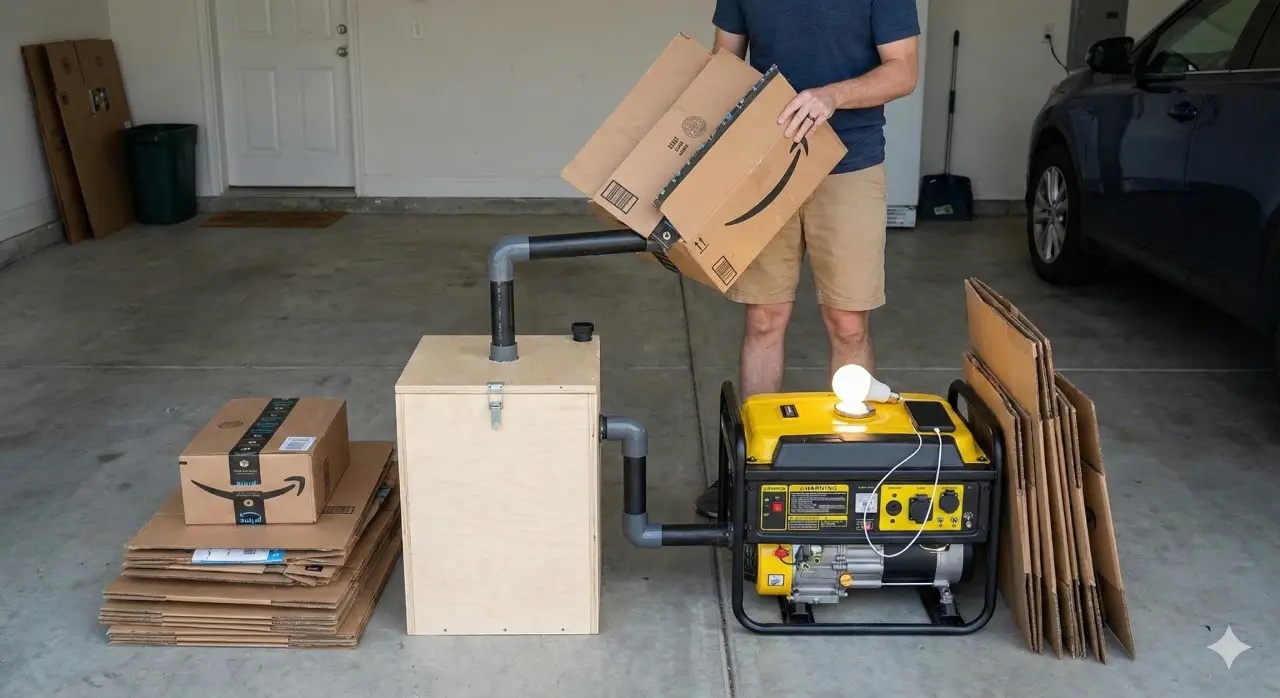
Cardboard is everywhere in our daily lives, from packaging boxes to delivery parcels. But what happens to all this cardboard once it’s no longer needed? While much of it is recycled, there’s a limit to how many times cardboard can go through the recycling process before its fibers become too short and weak. After that, it often ends up being burned with other waste or composted. Now, new research suggests there’s a better way to use this leftover cardboard: turning it into fuel for generating electricity.
A team of engineers from the University of Nottingham has studied waste cardboard in detail to see if it can be used as a biomass fuel for large-scale power generation. Biomass is any plant-based material that can be burned to produce energy. In the UK, biomass is already a major source of renewable electricity, mostly using wood pellets and chips. However, most of these wood pellets are imported from countries like the United States and Canada. Finding more home-grown sources of biomass could make the UK’s energy supply more secure and sustainable.
The researchers discovered that cardboard has some important differences compared to other biomass fuels. It contains less carbon and produces less heat when burned. Cardboard also has a high amount of calcium carbonate, especially in printed varieties. Calcium carbonate is added to cardboard to make it stiffer and brighter, but when burned, it turns into ash. Too much ash can reduce the performance of boilers used in power plants.
To address this, the team developed a new method to measure how much calcium carbonate is in different types of cardboard. This technique helps power plant operators know exactly what they’re burning and how it might affect their equipment. By understanding the makeup of waste cardboard, energy companies can decide how best to use it as a fuel.
There’s a lot of potential for this approach. In 2021, the UK generated about 5.4 million tons of paper and cardboard packaging waste. Since cardboard can only be recycled a limited number of times, using it as a fuel after its recycling life is over makes sense. It could provide a steady, local supply of biomass fuel, reducing the need for imports and supporting the UK’s efforts to use more renewable energy.
This research shows that with careful analysis and the right technology, waste cardboard could play a new role in powering homes and businesses, making our energy system cleaner and more resilient.
This article is based on research published in the journal Biomass and Bioenergy by engineers at the University of Nottingham, including Dr Orla Williams and co-authors.