Summary:
• Scientists have created a battery system that stores electricity and produces hydrogen for clean cooking.
• The system aims to help remote African communities that lack access to electricity and rely on polluting fuels.
• This technology could also support renewable energy use and reduce reliance on diesel generators.
Access to clean and reliable energy is a challenge for many remote communities, especially in parts of Africa where electricity is scarce. Traditional cooking methods, like burning wood or other plant materials, can harm the environment and people’s health. But a new invention from researchers at Loughborough University offers a promising solution.
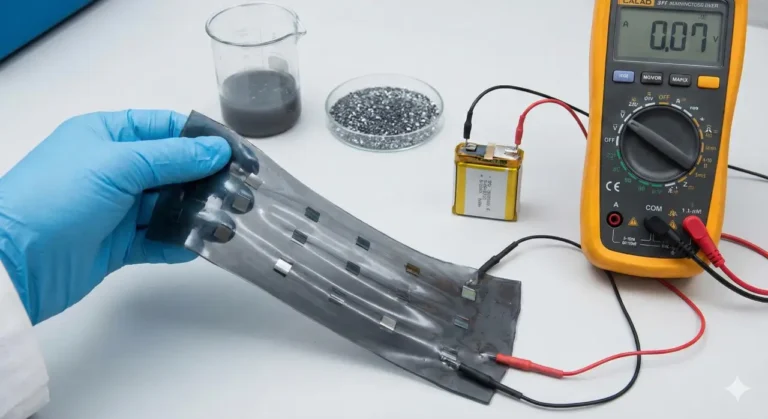
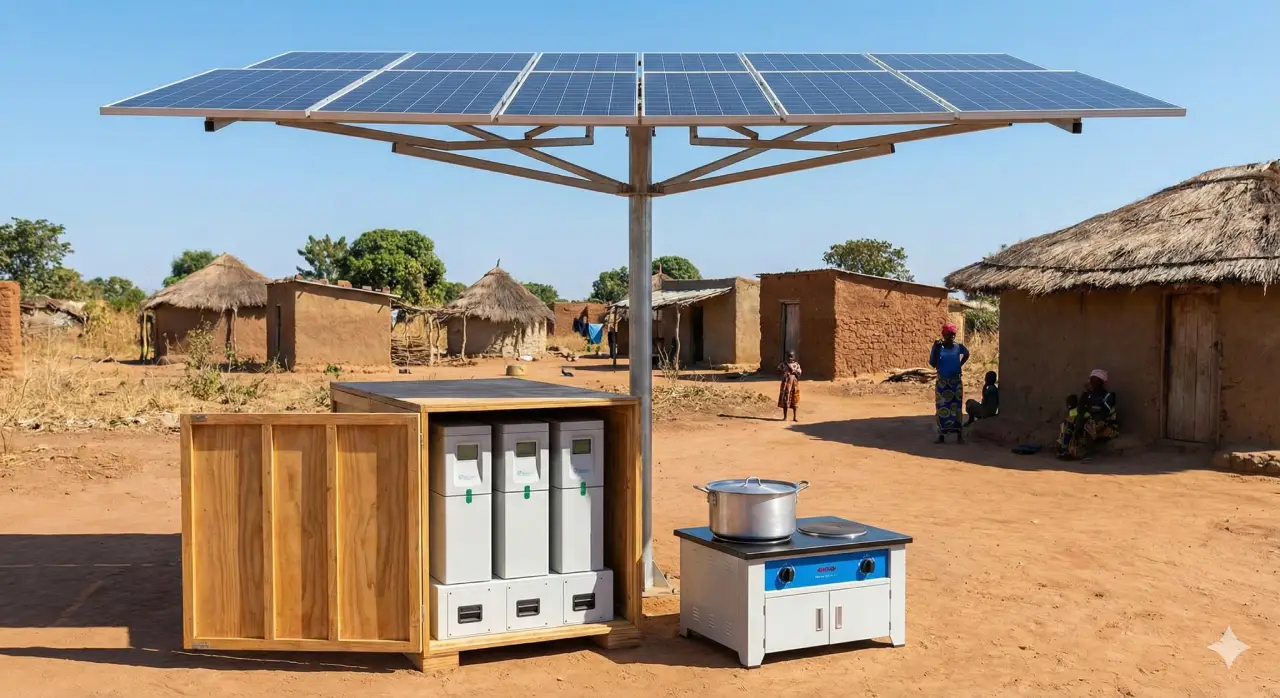
The team has developed a special battery system called a battery electrolyser. Unlike ordinary batteries that only store electricity, this system can also produce hydrogen gas. Here’s how it works: the battery stores energy generated from solar panels. When needed, it uses a process called electrolysis, which splits water into hydrogen and oxygen using electricity. The hydrogen gas is collected and can be used for cooking, while the only byproduct is water, making it a clean alternative to burning wood or charcoal.
This technology is being put to the test in a school in Zambia. The school will use the batteries to power classrooms and teachers’ homes, and the hydrogen will be used in special cookers for preparing meals. This approach not only provides electricity but also helps families cook in a way that doesn’t harm their health or the environment.
Burning wood for cooking releases smoke and pollutants that can cause serious health problems, especially for women and children who spend a lot of time near the fire. It also leads to deforestation, as trees are cut down for fuel. By switching to hydrogen, these communities can protect their forests and breathe cleaner air.
The battery electrolyser is flexible and can be used in different ways. Each unit contains several battery cells that can be connected together to meet different energy needs. For example, it can provide lighting for schools, keep hospital refrigerators running, or produce enough hydrogen for a community’s daily cooking.
If the project is successful, the researchers hope this technology can be used in many other places. It could help wind farms store extra energy, replace polluting diesel generators at construction sites, or provide backup power for events and remote locations. Unlike diesel generators, which emit harmful gases, the battery electrolyser uses renewable energy and produces no pollution.
This new system is an example of how innovative technology can make a real difference in people’s lives, supporting both clean energy and healthier communities.
This article is based on a project led by Dr. Lizzie Ashton and Dr. Toby Reisch from Loughborough University’s School of Mechanical, Electrical and Manufacturing Engineering, as reported by Loughborough University.