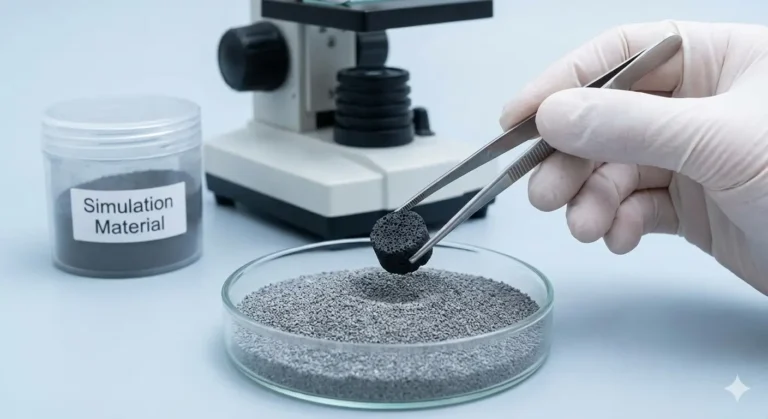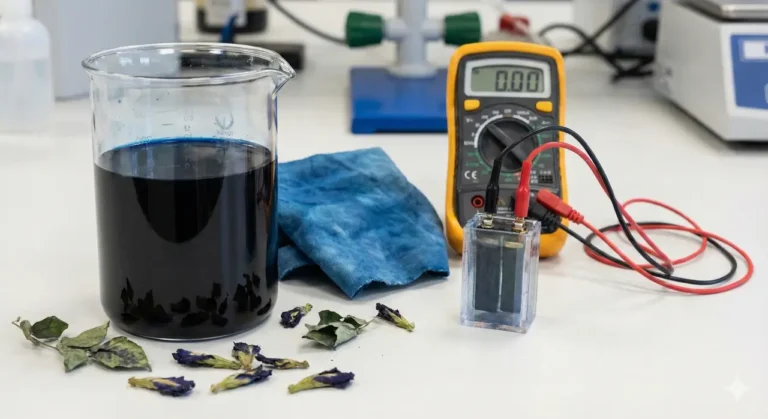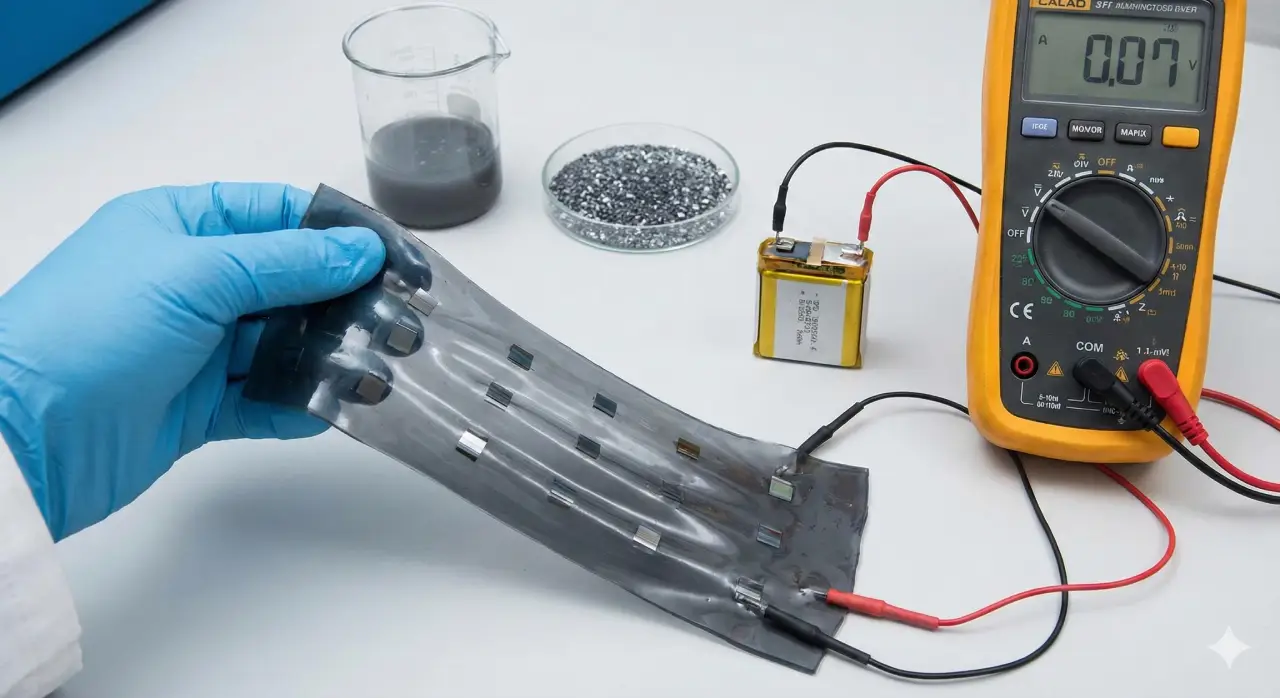
Image for Illustrative Purposes Only.
Summary:
• Scientists have created a new battery part using silicon and flexible rubber.
• This technology could make drones and electric vehicles run much longer on a single charge.
• The new material is made from low-cost silicon and is easier and cheaper to produce than before.
Batteries are at the heart of many modern technologies, from smartphones to electric cars and drones. One of the main challenges with batteries, especially lithium-ion batteries, is making them last longer and store more energy without becoming too expensive or difficult to produce.
A company called Solidion Technology, Inc. has announced a new development that could help solve this problem. They have created a new type of battery anode—the part of the battery where electricity flows in during charging—using a combination of silicon particles and a flexible rubber material.
Why Silicon Matters: Silicon is a promising material for batteries because it can store much more energy than the graphite that is usually used in battery anodes. However, silicon has a big drawback: it expands and contracts a lot as the battery charges and discharges. This constant swelling and shrinking can cause the silicon to crack and break apart, making the battery wear out faster.
Flexible Rubber, A Simple Solution: Solidion’s new approach wraps the silicon particles in a flexible, rubber-like material. This rubber acts like a cushion, protecting the silicon from damage as it expands and contracts. As a result, the battery can last much longer and store more energy.
This new anode can contain between 45% and 95% silicon by weight—a much higher amount than most current batteries. With this technology, devices like drones could see their flying range increased by 20% to 45%. That means drones could fly farther on a single charge, which is useful for everything from package delivery to aerial photography.
Making Batteries Cheaper and Greener Another important part of this breakthrough is how the anode is made. Solidion’s process does not use certain expensive or hazardous chemicals, making it safer and more affordable. They can also use low-cost or recycled silicon, which helps reduce waste and the need for new raw materials.
Looking Ahead: Solidion holds many patents for this technology and plans to increase production in the United States. While this new anode is especially promising for drones and electric vehicles, it could also help improve batteries for other uses, such as backup power systems and even renewable energy storage. If this technology can be scaled up, it could lead to longer-lasting, more affordable, and more sustainable batteries for many kinds of devices and vehicles. This would be a big step forward in making clean energy and electric transportation more practical for everyone.