Image for Illustrative Purposes Only.
Summary:
• Mosses and their partner microbes can remove harmful metals from polluted water.
• These natural systems may work better than traditional methods in cold and remote areas.
• Researchers are exploring ways to use moss-microbe partnerships for sustainable water purification.
Polluted water is a growing concern, especially in places with abandoned mines and forest drainage ditches. These sites often release harmful metals like iron, copper, and arsenic into rivers and streams. Traditional water treatment methods can struggle in cold climates or remote locations, where energy and infrastructure are limited. But nature may offer a solution: mosses and their microscopic “teammates.”
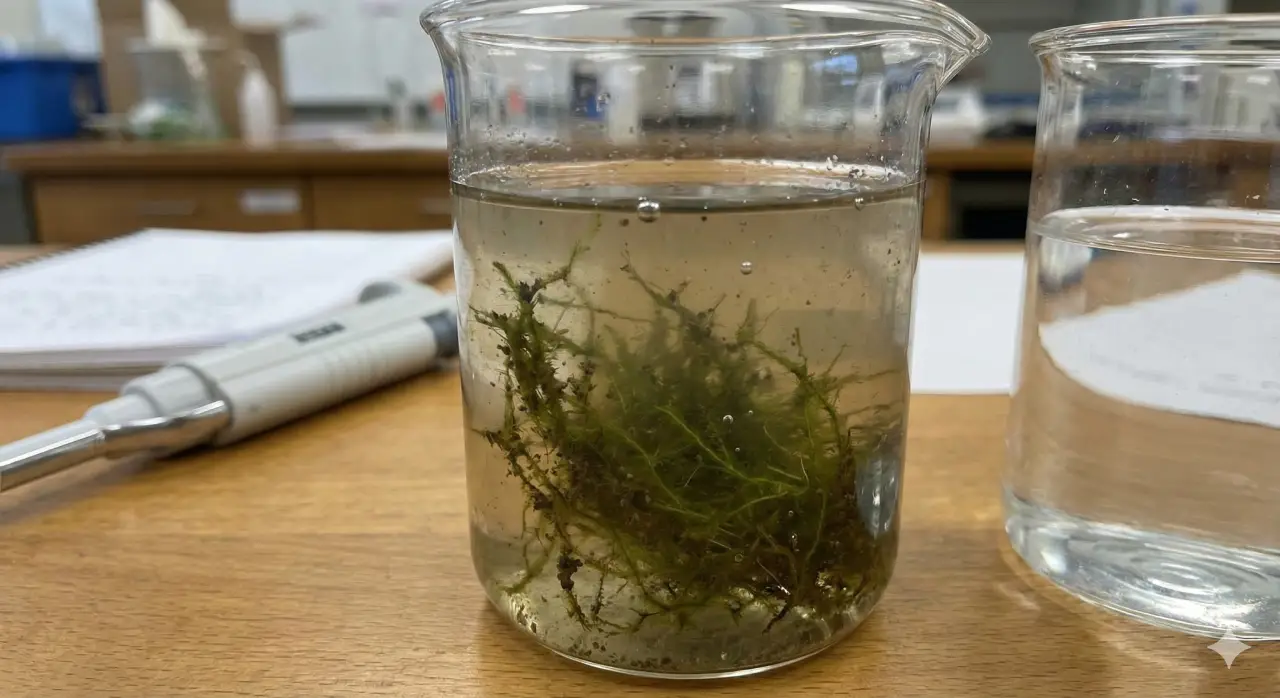
A team at the University of Oulu in Finland has been studying how certain mosses survive and even thrive in harsh, metal-filled environments. They discovered a moss species called Warnstorfia fluitans growing in acidic, metal-rich water near old mines—places where most plants cannot survive. The secret to the moss’s success lies in its partnership with tiny organisms called microbes.
Microbes are everywhere, including inside plants. When they live together with plants and both sides benefit, they are called symbionts or endophytes. In the case of mosses from polluted sites, researchers found that these plants hosted more helpful endophytes than mosses from clean water. Two microbe species, Phialocephala bamuru and Hyaloscypha hepaticola, were especially common in mosses from metal-contaminated water.
So how does this partnership work? The moss acts like a sponge, soaking up dissolved metals from the water. The microbes inside the moss help change these metals from a harmful, dissolved form into tiny, solid particles. This makes the metals less dangerous and easier to remove. Over time, the metal-rich moss can be collected and taken away, reducing pollution in the water.
The research team tested mosses from several mine sites in Finland and Sweden, comparing them to mosses from cleaner areas. They found that the moss-microbe teams could remove a range of metals, including iron, cadmium, copper, zinc, nickel, and arsenic. Early tests show that mosses can remove nutrients from water in about three weeks, and metals in several weeks.
This natural purification process has big advantages. It does not need electricity or complex equipment, making it ideal for remote or cold areas where traditional systems fail. The researchers are now testing how well these moss-microbe systems work in forest ditches with high iron levels.
Beyond cleaning up mine water, the team is also looking at ways to use these mosses and their microbial partners in other industries. They are developing special strains and products that could help clean water in different settings.
If these efforts succeed, mosses may become a valuable tool for sustainable water purification, helping protect rivers and lakes from metal pollution in a changing climate.
The study, “Aquatic moss precipitates metals in the presence of a specific endophytic microbiome,” was published in October 2025. The research was led by Professor Anna-Maria Pirttilä and Postdoctoral Researcher Kaisa Lehosmaa at the University of Oulu, in collaboration with international partners, Pyhäsalmi Mine, and Outokumpu steel producer. Co-authors and additional contributors are credited in the original publication.