Image for Illustrative Purposes Only.
Summary:
• Scientists are exploring ways to make nuclear fuel last longer and work more safely.
• Embedding tiny uranium nitride particles in fuel could help trap harmful byproducts.
• This could reduce nuclear waste and make clean nuclear energy more practical.
Nuclear power is often praised as one of the cleanest ways to generate electricity. It produces very little air pollution and uses much less land than other green energy sources like wind or solar. However, one of the main challenges with nuclear energy is that the fuel inside reactors slowly breaks down over time. This can lead to safety concerns and creates more nuclear waste.
A team of international researchers, including Samrat Choudhury from the University of Mississippi, is working on a new solution to this problem. Their idea is to make nuclear fuel that can last longer and perform better, which could help make nuclear energy more widely used.
The problem with current nuclear fuel, especially metallic types, is that it swells and changes shape when exposed to the intense environment inside a reactor. This swelling can cause the fuel to touch the cladding, which is the protective shell that keeps radioactive materials safely sealed. Over time, this contact and the buildup of byproducts from the nuclear reaction can cause the cladding to weaken and crack, making the reactor less safe and shortening its useful life.
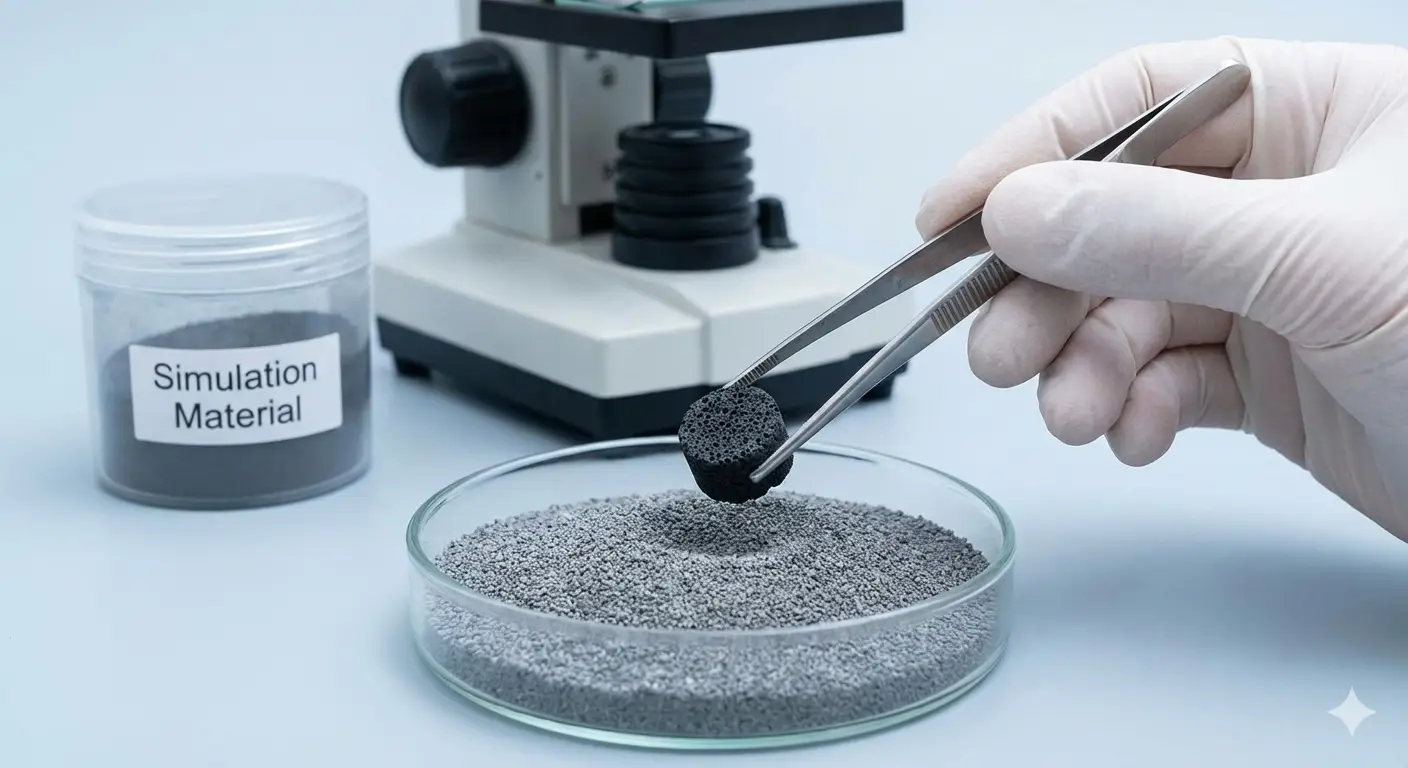
To address this, the researchers tested a new type of fuel that contains very small particles called uranium nitride nanoparticles. These nanoparticles are mixed into the metallic fuel. The hope is that these tiny particles can act like sponges, capturing and holding onto the gases and other byproducts created during the nuclear reaction. By trapping these byproducts inside the fuel itself, they are less likely to reach and damage the cladding.
If this new fuel can be used for a longer period before it needs to be replaced, it could have several benefits. First, it would mean that less spent fuel, or nuclear waste, is created. This is important because managing nuclear waste is one of the biggest challenges facing the industry. Second, it would allow reactors to run more efficiently, getting more energy from the same amount of fuel.
However, before this new fuel can be used in real reactors, it needs to be tested in real-world conditions to make sure it is safe and effective. The researchers say that more work is needed, including getting funding and working with industry partners, before this technology can be widely adopted. But their findings are an important first step toward making nuclear energy safer, cleaner, and more practical for the future.
This research was published in Advanced Materials Interfaces by a team including Samrat Choudhury (University of Mississippi) and Indrajit Charit (University of Idaho), along with their co-authors.