Summary: Grid batteries are large-scale energy storage systems that support power grids by balancing supply and demand, stabilizing frequency, and integrating renewable energy. As battery capacity increases, challenges arise—such as heat management, safety risks, system complexity, and potential interference with grid stability. Several technologies are used, including lithium-ion, flow batteries, sodium-sulfur, and emerging solid-state systems. Testing grids with many batteries is crucial to ensure compatibility, prevent cascading failures, validate safety systems, and optimize performance. As renewable energy grows, reliable and well-tested grid battery systems are essential for creating a stable, efficient, and sustainable power infrastructure.
Grid Batteries: How They Work, Their Challenges, and Why Testing Matters
As renewable energy grows worldwide, power grids are becoming more complex. One technology that plays a critical role in stabilizing these modern grids is grid-scale batteries. These large energy-storage systems help balance supply and demand, support renewable energy integration, and improve reliability. But despite their rising importance, they come with engineering and operational challenges that must be understood and managed.
What Are Grid Batteries?
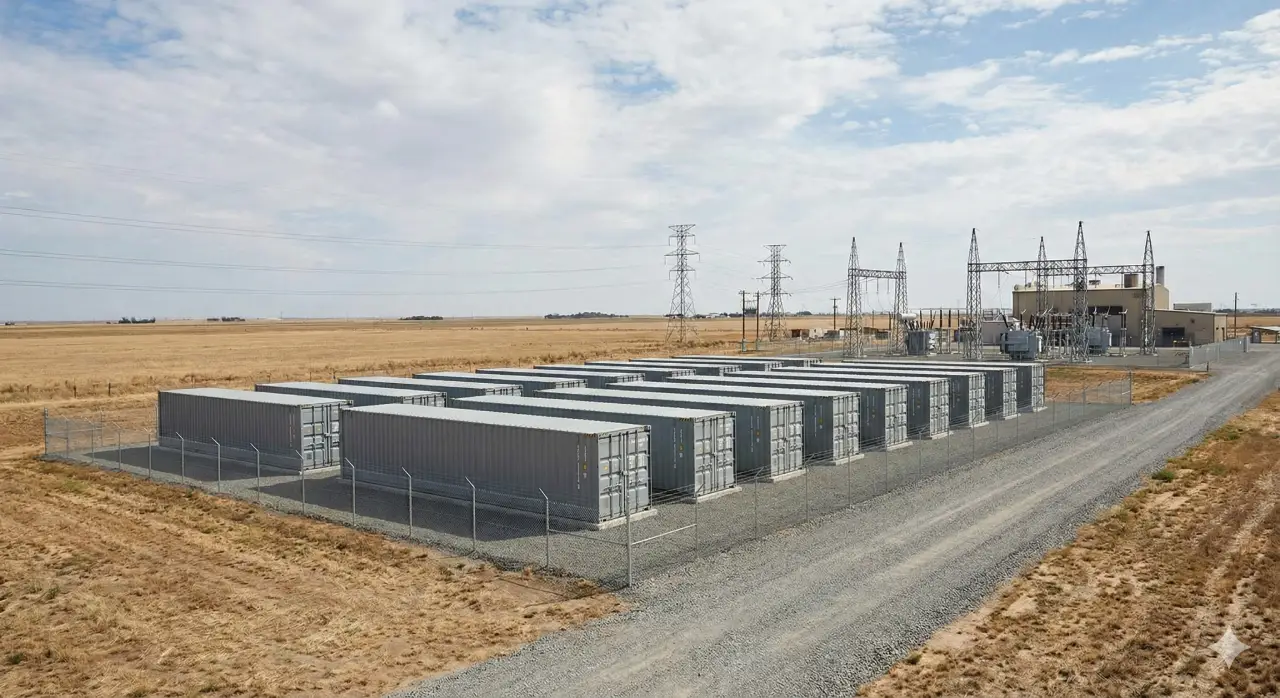
Grid batteries—also known as grid-scale energy storage systems—are large batteries designed to store and release electricity at the scale required by national or regional power grids. Unlike small household batteries, these systems can store megawatt-hours (MWh) of energy and discharge it when the grid needs support.
They are used to:
- Smooth out fluctuations from renewable sources like solar and wind.
- Provide backup power and stabilize frequency.
- Shift excess renewable generation to times of high demand.
- Reduce stress on transmission infrastructure.
In essence, grid batteries help make renewable energy reliable, not just available.
What Is the Problem With Higher-Capacity Battery Grids (e.g., 10 kW and Above)?
As the capacity of a grid battery system increases, so do the technical and safety challenges. Some of the key issues include:
1. Heat Management and Safety Risks
High-capacity batteries generate significant heat. Without proper cooling and monitoring, this can lead to:
- Faster degradation
- Thermal runaway
- Fire hazards
More modules mean more complex thermal interactions that must be controlled.
2. System Complexity
A 10 kW or multi-MW battery system contains thousands of cells. Coordinating all of them requires:
- Advanced battery management systems (BMS)
- Precise balancing
- Fault detection and isolation mechanisms
Any malfunction can cascade and affect the entire grid segment.
3. Cost and Infrastructure
Higher-capacity installations require:
- Stronger foundations
- Fire suppression systems
- Grid-level inverters and transformers
These add to capital and maintenance costs.
4. Interference With Grid Stability
Large batteries interact with the grid’s:
- Voltage levels
- Frequency behavior
- Power quality
If not properly calibrated, they may cause harmonic distortion or instability, instead of improving performance.
Types of Battery Systems Used in Power Grids
Several battery chemistries are used in grid storage. Each has its strengths and ideal use cases.
1. Lithium-Ion Batteries
The most widely used today.
Advantages: High energy density, high efficiency, fast response time.
Challenges: Thermal management and fire safety.
2. Flow Batteries (e.g., Vanadium Redox)
Store energy in liquid electrolytes held in tanks.
Advantages: Long cycle life, scalable capacity, safer operation.
Challenges: Lower energy density, higher upfront costs.
3. Sodium-Sulfur (NaS) Batteries
Operated at high temperatures to enhance conductivity.
Advantages: Long discharge duration, proven in grid applications.
Challenges: High operating temperatures and safety considerations.
4. Lead-Acid (Advanced Variants)
Used in legacy systems and backup applications.
Advantages: Low cost.
Challenges: Shorter cycle life and lower efficiency.
5. Emerging Technologies
- Solid-state batteries – improved safety, higher energy density.
- Metal-air batteries – very high theoretical capacity.
- Gravity and mechanical storage – alternatives to chemical batteries.
These emerging systems aim to address cost, safety, and longevity issues found in current technologies.
Why Is It Important to Test Grids With Many Batteries?
As the number of batteries connected to a grid increases, so does the collective impact on grid stability. Testing is essential to ensure safe and efficient operation.
1. Ensuring Grid Compatibility
Grid testing confirms that battery systems:
- React correctly to voltage and frequency changes
- Do not introduce harmful harmonics
- Support grid codes and regulations
2. Preventing Cascading Failures
Interconnected batteries behave like a network. One fault can spread if the system is not properly tested for isolation, balancing, and redundancy.
3. Optimizing Performance
Testing helps determine:
- How multiple batteries share load
- Response times during peak demand
- Charging and discharging efficiency under real-world conditions
This leads to better energy dispatch and cost savings.
4. Enhancing Safety
Large-scale systems require validation of:
- Fire suppression
- Thermal stability
- Emergency shutdown behavior
Without thorough testing, risks increase exponentially with system size.
5. Validating Control Algorithms
Smart grids rely on advanced software and AI-based control algorithms. Testing ensures these algorithms behave correctly when managing hundreds of battery units simultaneously.
Conclusion
Grid batteries are transforming modern energy systems by enabling renewable integration, stability, and resilience. However, large-capacity installations come with engineering, safety, and grid-interaction challenges that must be addressed. Understanding battery types and conducting rigorous multi-battery grid testing are crucial steps toward building reliable and sustainable energy infrastructure.
As the world shifts to cleaner energy, grid batteries will remain a cornerstone of the future power system—provided we develop and deploy them responsibly.