Summary: PNNL has begun testing its first full-scale 100 kW grid battery at the new Grid Storage Launchpad, marking a major step forward in accelerating advanced energy storage technologies in the U.S. The inaugural test features a vanadium flow battery from Invinity Energy Systems, which will undergo a year of real-world performance evaluations, including peak shaving and frequency regulation. Previously limited to smaller systems, researchers can now validate grid-ready technologies at practical scales. The facility will soon open its services to industry partners, helping advance safe, reliable, and scalable battery solutions for the nation’s evolving energy grid.
The U.S. Department of Energy’s Pacific Northwest National Laboratory (PNNL) has officially begun testing its first utility-grade battery at the newly launched Grid Storage Launchpad (GSL)—a major step forward in accelerating next-generation energy storage technologies. First Testing of Grid
The facility now enables researchers to test and validate batteries up to 100 kilowatts, offering deeper insights into how large-scale storage can support a more reliable, affordable, and resilient power grid. According to GSL Director Vince Sprenkle, this milestone marks the site’s full transition into the nation’s proving ground for grid-scale storage innovation.
Previously, most research was limited to systems under 10 kW, which lack the advanced controls and complexity of real grid-scale installations. With GSL’s expanded capabilities, developers can now evaluate how emerging technologies perform at practical deployment sizes.
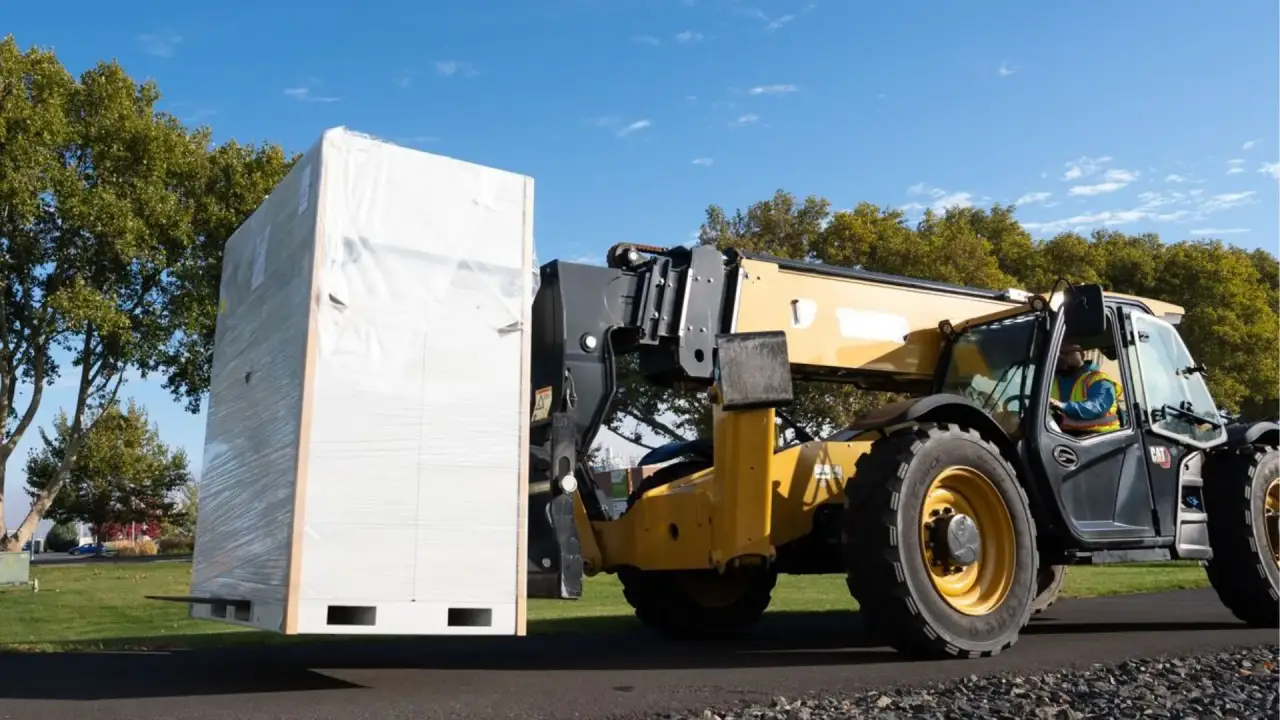
The first technology undergoing evaluation is a vanadium flow battery developed by Invinity Energy Systems. Unlike conventional batteries, flow batteries use liquid electrolytes stored in tanks, making them easy to scale and ideal for long-duration grid applications. Over the next year, the system will undergo rigorous testing under real operating conditions, including assessments of peak-shaving performance during high-demand periods.
Researchers will also examine how effectively the battery can deliver frequency regulation, a critical service that stabilises the grid’s 60-hertz operating frequency and helps prevent outages.
Invinity leaders view the collaboration as an important validation step toward wider U.S. deployment. Soon, GSL will open its testing capabilities to more industry partners, helping accelerate safe, reliable, and scalable energy storage solutions for the nation’s future grid.